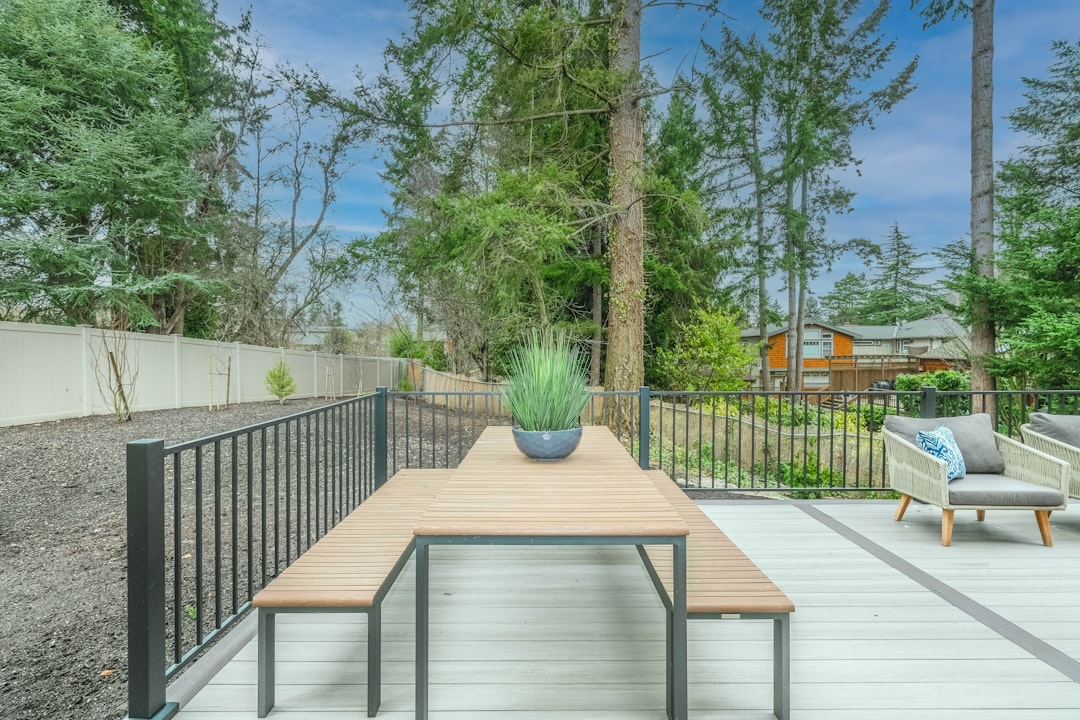
An outdoor deck renovation in Brisbane comes down to three decisions: the material that will cope with the subtropical climate, a build detailed to shed water and resist rot, and whether the work needs council approval. Timber offers warmth and lower upfront cost but wants regular sealing, while composite boards cost more at the outset and ask for far less maintenance. Structural decks, or work that changes the building footprint, generally need a building permit, and in Queensland any building work over $3,300 must be carried out by a QBCC licensed builder.
For local buyers, outdoor deck renovation brisbane walks through choosing between timber and composite, building for the Brisbane climate, and the council approval basics before you start
Outdoor Deck Renovation Brisbane Explained
A deck or patio is one of the most used spaces in a Brisbane home, so it earns its place in a renovation plan. The city's subtropical climate is also the reason an outdoor build needs more thought here than in a cooler, drier state. Long humid summers, heavy summer downpours, strong ultraviolet light and the odd storm all work on an outdoor structure year after year. A deck that is detailed to shed water quickly, ventilate underneath and resist rot will outlast one that simply looks good on the day it is finished.
Brisbane's classic Queenslander homes add another layer. Raised timber houses often pair naturally with an elevated timber deck, and any work on a character or heritage property may carry extra conditions. Local builders who understand Queenslander homes and the subtropical climate tend to plan for airflow, drainage and durable fixings from the outset rather than treating the deck as an afterthought. If you are weighing this project against other work on the house, it helps to view it in the context of your overall home renovation costs in Brisbane so the outdoor spend sits sensibly against kitchens, bathrooms and any structural work.
Timber versus composite decking
The material choice shapes both the look and the ongoing work. Timber decking, whether a durable hardwood or treated pine, gives a natural grain and a warm feel that suits Queenslander and coastal homes. It generally costs less to install, but it wants regular attention: cleaning, oiling or sealing on a cycle, and the occasional board replacement as the years pass. Left unsealed in the Brisbane sun and rain, timber can grey, split or cup.
Composite decking, made from a blend of recycled timber fibre and plastic, sits at the other end of the trade-off. It costs more upfront and can run warmer underfoot in direct sun, but it does not need oiling, resists rot and insects, and holds its colour far longer. For a busy household that wants a low-maintenance outdoor space, the higher initial outlay can pay back in time saved over the life of the deck. Neither option is simply better; the right call depends on your budget, your appetite for upkeep and the style of the home. The same reasoning applies indoors, and if you are also refreshing wet areas it is worth browsing some bathroom renovation ideas to keep the material palette consistent across the house.
Building for the subtropical climate
Whatever the board, the structure underneath does the hard work. In a humid, high-rainfall setting a few build principles matter more than the finish:
- Slope and gaps that let water run off and drain rather than pool on the surface.
- Clearance and ventilation beneath the deck so the framing dries out between downpours.
- Corrosion-resistant fixings and hardware suited to the climate, especially closer to the coast.
- Treated or naturally durable framing timber to resist rot and termites.
- Shade, whether a patio roof, pergola or planting, so the deck is usable through a Brisbane summer.
These details are not glamorous, but they are the difference between a deck that stays sound and one that needs remedial work in a few seasons. This is also where a licensed builder earns their keep, because getting the structure, drainage and fixings right is exactly the kind of judgement that comes from working on local homes.
It also pays to think about how the deck connects back to the house. Flashing where the deck meets an external wall, a small step down from the internal floor level, and a clear path for water to escape all help keep moisture out of the building fabric. In a Queenslander, the framing beneath a raised deck should be easy to inspect so that any early sign of rot or termite activity can be dealt with before it spreads. None of this changes the look of the finished deck, but it protects the money you put into it.
Council approval and licensing basics
Not every deck project triggers a formal approval, but many do. As a general rule, council approval is required for work that alters the building footprint or structure, and a building permit is needed for structural alterations and additions. A raised or attached structural deck usually falls into that category, while a minor low-level ground-hugging platform may not. Properties inside a heritage overlay can require additional approval. In Brisbane, approvals commonly take somewhere in the range of two to eight weeks depending on the complexity of the job.
On the licensing side, Queensland requires a QBCC licensed builder for building work valued over $3,300, and reputable operators also hold memberships with industry bodies such as the Housing Industry Association and Master Builders Queensland. This is general information rather than advice for your specific site; a building certifier or private certifier can confirm exactly what your deck needs. For a wider view of how permits and staging fit into a full project, the guide to planning renovation costs and approvals in Brisbane puts the deck in the context of the whole home.
Who this guide applies to
This is general information for Brisbane homeowners weighing an outdoor deck or patio project, not a quote or professional advice. It is most useful if you are:
- Planning a new deck or patio and deciding between timber and composite.
- Restoring or extending an existing deck on a Queenslander or character home.
- Trying to understand whether your project needs council approval before you start.
- Budgeting an outdoor space as one part of a larger home renovation.
Whichever camp you sit in, the sequence is the same: settle the material, detail the build for the climate, confirm the approvals, and engage a QBCC licensed builder for anything structural.
- Choose the material. Weigh timber's lower cost and natural look against composite's low maintenance and durability.
- Detail for the climate. Plan drainage, ventilation, durable framing and corrosion-resistant fixings for the subtropics.
- Check approvals. Confirm whether the deck alters the footprint or structure and needs a building permit.
- Verify licensing. Engage a QBCC licensed builder for building work valued over $3,300 in Queensland.
- Add shade and finish. Consider a roof, pergola or planting so the deck stays usable through summer.
| Feature | Timber decking | Composite decking |
|---|---|---|
| Upfront cost | Generally lower to install | Higher initial outlay |
| Maintenance | Regular cleaning, oiling and sealing | Little beyond occasional cleaning |
| Look and feel | Natural grain, warm underfoot | Uniform finish, can run warmer in sun |
| Durability in climate | Needs upkeep to resist greying and rot | Resists rot, insects and colour fade |
Common questions
Do I need council approval for a new deck in Brisbane? Often, yes. Council approval is generally required for work that alters the building footprint or structure, and a building permit is needed for structural alterations. A minor low-level platform may not, while a raised or attached deck usually does. A building certifier can confirm for your site.
Is timber or composite decking better for Brisbane? Neither is simply better. Timber costs less upfront and gives a natural look but needs regular oiling and sealing, while composite costs more initially and asks for far less maintenance. The right choice depends on your budget, upkeep appetite and the style of the home.
Do I need a licensed builder for a deck? In Queensland, building work valued over $3,300 must be carried out by a QBCC licensed builder. For a structural deck this is both a legal requirement and the best way to get the framing, drainage and fixings right for the climate.
This guide covers choosing between timber and composite decking, building an outdoor deck for the Brisbane subtropical climate, and the council approval and licensing basics for a deck renovation.